


Bundesliga undertook a major broadcast infrastructure upgrade across all 36 of its stadiums, aiming to modernise network connectivity and media processing up to current IP standards.
During the 2025 football off-season, Germany’s 1st and 2nd Bundesliga undertook a major upgrade of the broadcast infrastructure across all 36 of its stadiums. The project aimed to modernise the network connectivity and media processing systems, bringing the league’s production environment up to current IP standards.
To meet their network’s growing production and associated IP media connectivity demands, VIDI integration services carried out a comprehensive overhaul of its media transport and processing capabilities. The result is a unified, IP-based network, able to support larger volumes of live baseband/IP services across all venues in the league.
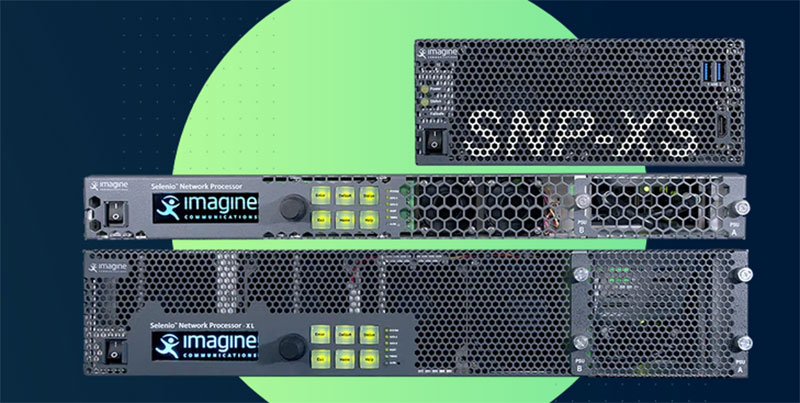
At the core of the new set-up, VIDI is using the Media Links Xscend platform to handle the transport of video, audio and data across each venue, tightly integrated with VIDI’s own Network Management System (NMS), which centralises visibility and control across the entire network.
Modular, Programmable Design
Xscend appliances have a modular, programmable design that makes it possible to deploy them across evolving environments like these 36 stadiums, and meanwhile maintain compatibility with existing infrastructure. Its Media processing and Trunk modules can be configured and re-configured to produce a variety of signals on ordinary hardware – changes are made quickly without affecting other operations or services in the Xscend chassis.
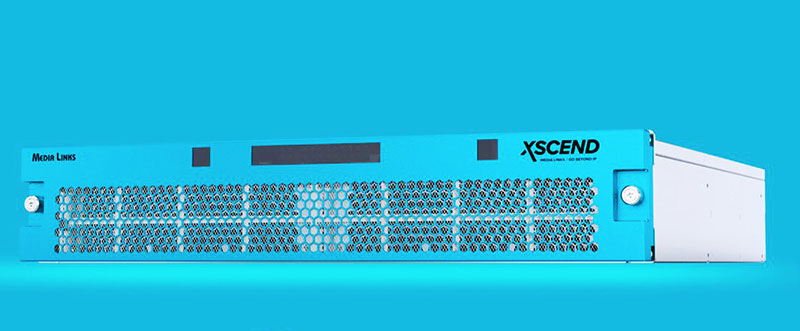
Xscend transports a wide, dense variety of contribution media across managed and unmanaged (open internet) networks. Its agile architecture matches performance to a hybrid hardware/software design, giving it the flexibility to accommodate new developments over time – for instance, higher video resolutions, advanced codecs or new streaming protocols.
Network Management
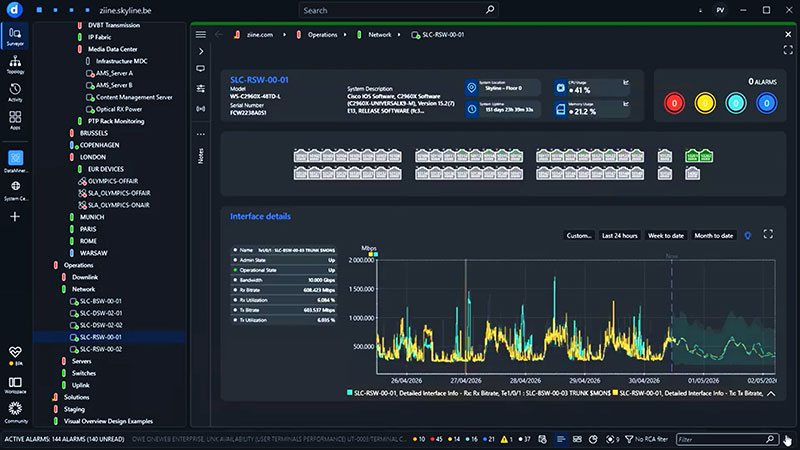
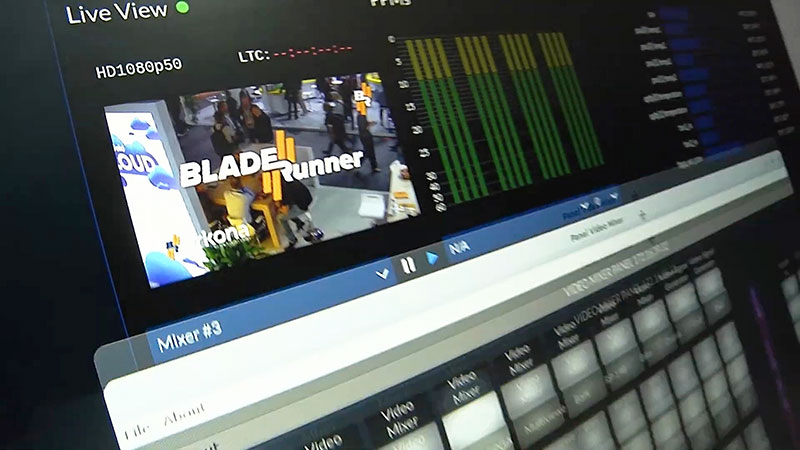
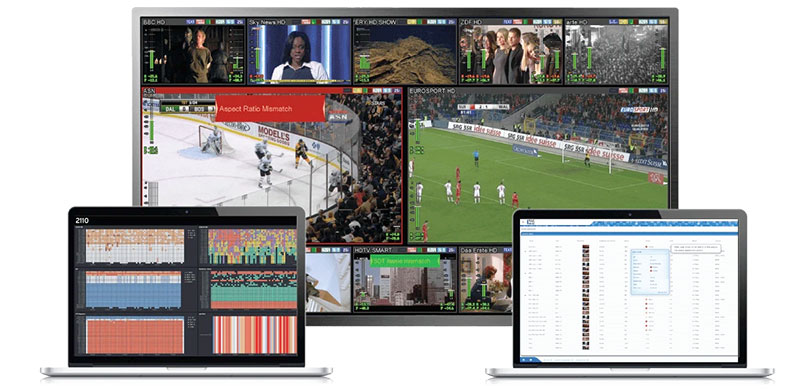
The platform was also selected for its reliability and its ability to integrate closely with the VIDI NMS, enabling centralised control and visibility across all locations. The NMS displays a graphical overview of all elements and their status within the network.
In a few steps, a user can understand what is happening in the network and take action. The GUI is scalable from a laptop screen, up to any number of screens in a monitoring facility. The system includes user and rights management – an administrator can define the users for each task and give each one the appropriate view.
During provisioning, available resources such as encoders/decoders and network interfaces are analysed for capacity, and paths through the network are routed based on user-defined priorities. Ad hoc services can be quickly provisioned if needed, and a booking module is available to schedule in future services. Common protocols such as SNMP, REST, Ember+ and so on are supported.
Close Collaboration between Service and Technology
“This project shows what’s possible with close collaboration between service and technology provider while utilizing advanced media processing and transport capabilities to address live IP based production at scale,” comments John Dale, CMO of Media Links.
“With Xscend, the Bundesliga can move a larger number of media and tunneled data services reliably across multiple locations, while VIDI establishes the integration and control layer to manage those workflows centrally. It gives the league the flexibility to expand remote production while ensuring the highest level of reliability live sports demands.”
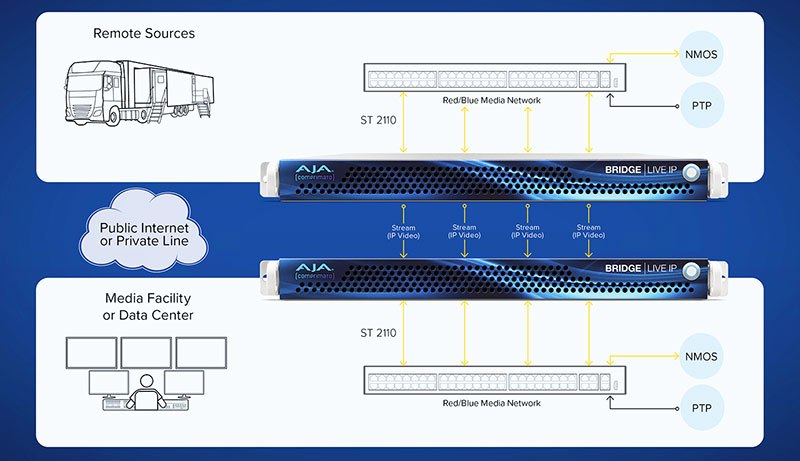
To meet the specific requirements for signal transmission and signal return in collaboration with Bundesliga’s TV producer Sportcast GmbH, additional locations for signal handover were integrated into the network. Signal exchange is also handled using SMPTE 2110 at the central production site.
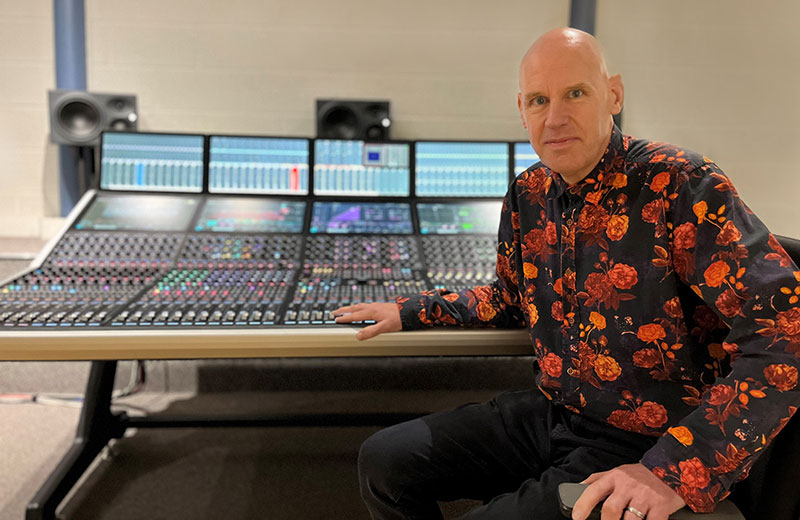
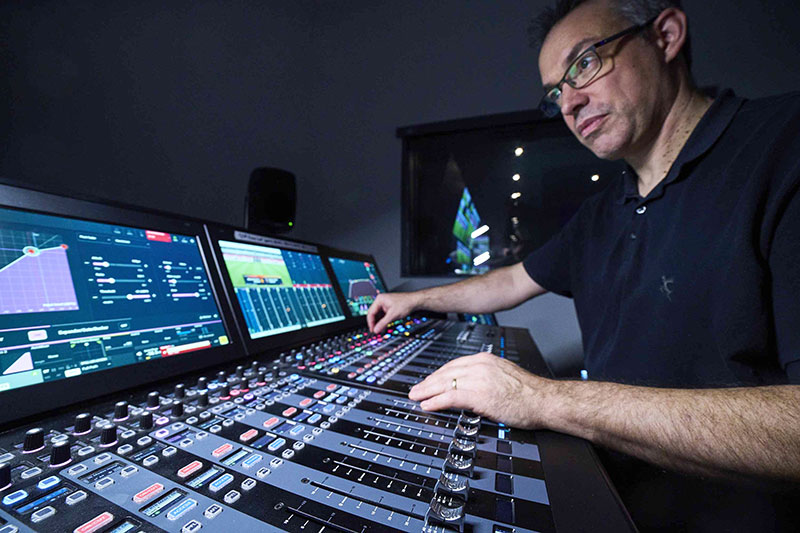
All stadiums are connected with full redundancy, enabling consistent delivery of video, audio, and data during live matches. The new infrastructure also supports expanded remote production workflows – consequently, two matches per matchday in the 2nd Bundesliga are now produced remotely. Furthermore, the League’s existing centralized audio production continues to grow, with Dolby Atmos mixes produced at the Remote Audio Control Room (RACR) in Darmstadt now covering additional matches per matchday.
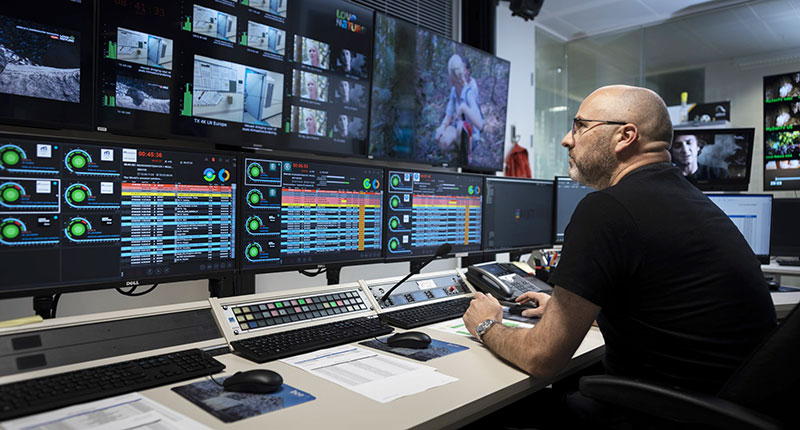
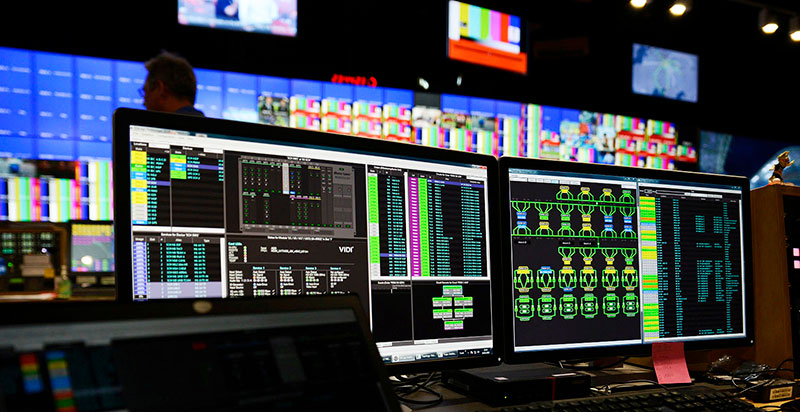
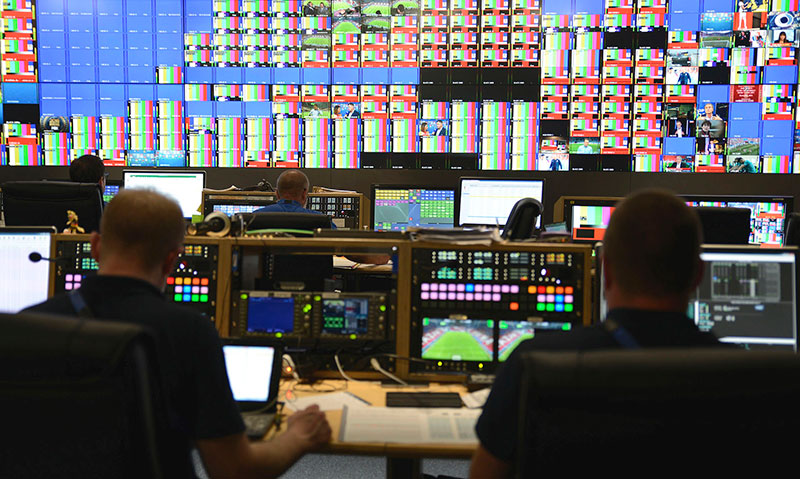
To reliably manage the large number and variety of signals, VIDI enhanced its NMS with an updated version of the booking interface and automated scheduling for all connections and services. VIDI’s Network Operations Center (NOC) in Darmstadt was also expanded to give stronger centralised support, alongside on-site coordination at the stadium.

The VIDI team successfully completed all these upgrades during the Bundesliga 2025 off-season window, and the system has been fully operational since the start of the current (2026) Bundesliga season.
Karsten Winterberg, CTO of VIDI, noted, “The Bundesliga is undoubtedly one of the most demanding sports leagues in the world. Proving that we can successfully execute a production remotely is truly special. We are especially pleased that our remote audio production at the RACR in Darmstadt has become so well established and well received by the client. I would also like to extend a special thank you to our technology partner Media Links, as the implementation within such a tight timeframe would not have been possible without their active support.” www.vidi.eu www.medialinks.com