


TAG Video’s Michael Demb talks about the work behind TAG’s contribution to the MXL open source transport protocol for high-performance media exchange in IP and cloud environments.
By Michael Demb, Vice President of Product Strategy, TAG Video Systems
When every platform has its own monitoring and every vendor has its own alerts, things fall through the cracks. Something breaks. In the worst case, the viewer sees it before your team does. That's not a scenario anyone wants to be explaining after the fact.
Flexibility makes a difference: hybrid environments and multi-vendor ecosystems have unlocked capabilities that weren’t practical a few years ago. But flexibility and visibility aren’t the same thing. Flexibility means the workflow can live anywhere. Visibility means knowing what it's doing when it gets there.
As operations get more distributed, the gap between the two grows. Closing that gap starts with the basics, by making sure the infrastructure itself is built to play nice across environments and vendors, not just within them.
Why Open Standards Require Active Interoperability Work
Open standards don't emerge on their own. They need advocates willing to test across vendors and be honest when something doesn't hold up in practice.
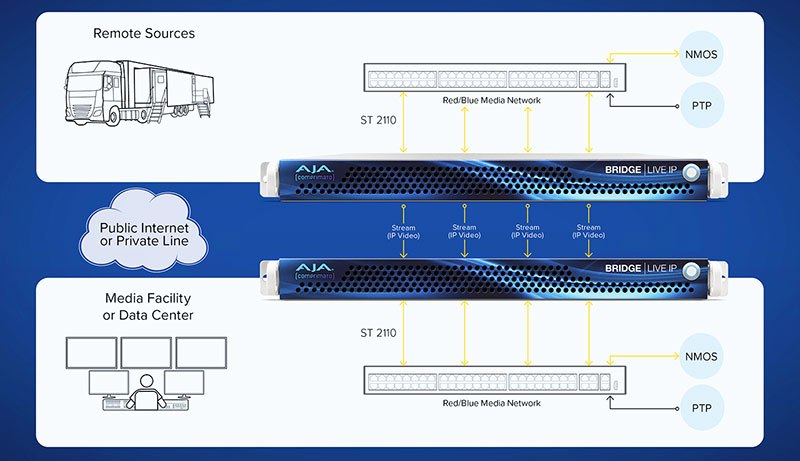
That’s the work behind TAG’s contribution to MXL: an open-source, RDMA-based transport protocol for high-performance media exchange in IP and cloud environments. We’ve been running active interoperability testing in AWS environments alongside partners including Grass Valley and Riedel, because an open standard is only as useful as the interop behind it.
AG's ability to integrate with dozens of data aggregation and business intelligence tools, follows the same logic: make TAG’s monitoring and multiviewing capability available across whatever infrastructure a customer is already running, without asking them to redesign it first.

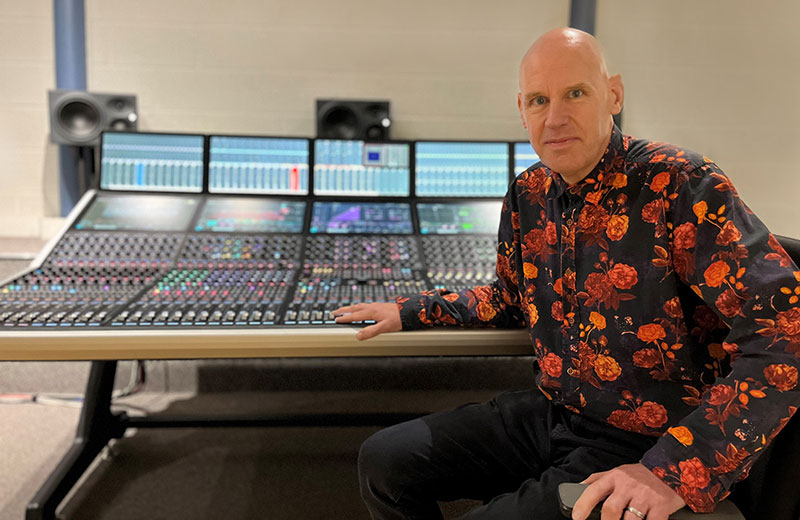
Michael Demb, VP Product Strategy, TAG Video Systems
However, open infrastructure doesn’t come with a unified view. Building the foundation and building visibility across it are two separate problems.
How Distributed Workflows Create Visibility Gaps
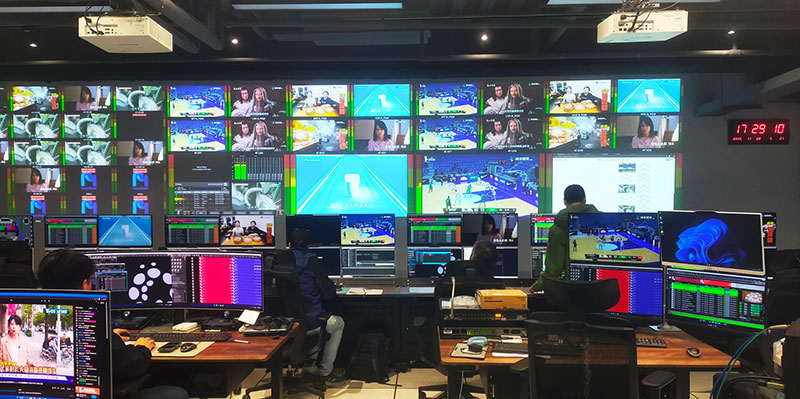
As workflows spread across on-premises and cloud environments, every platform brings its own monitoring and every vendor brings its own alerts. Somewhere in the middle of all of it, something breaks. The viewer sees it. Your team finds out later.
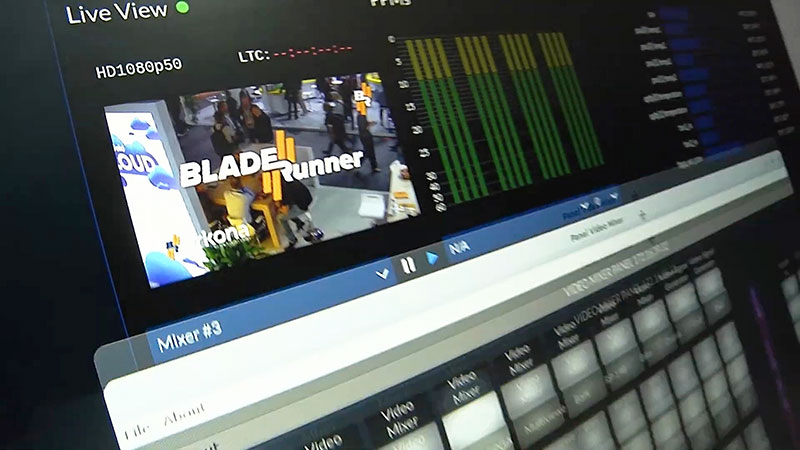
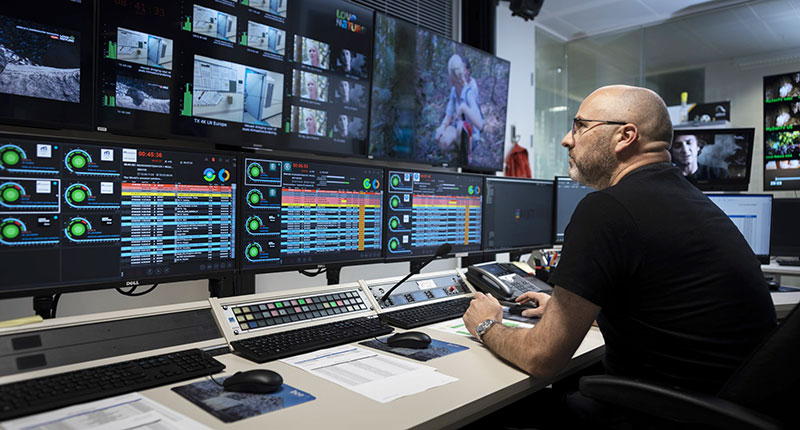
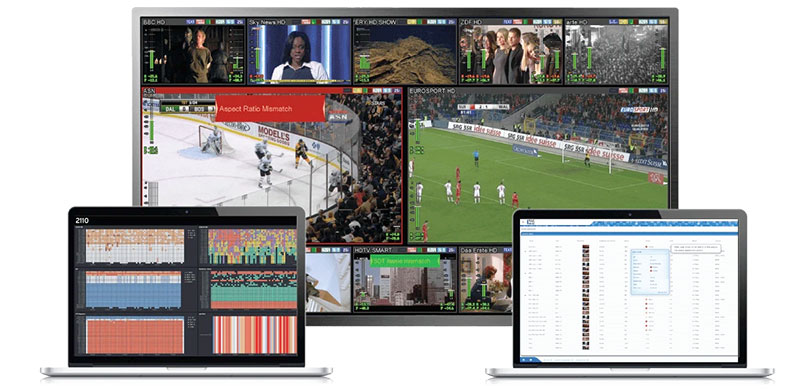
TAG Lens was built to close that gap. Rather than adding to the alert pile, Lens gives operators a visual health picture of an entire service, one that surfaces anomalies before they become incidents. Engineers spend their time understanding what’s happening rather than hunting for where the issue is.
Lens received recognition at NAB 2026, winning the IAMT Impact Awards, TVTech’s Best of Show and the NAB Show Product of the Year Awards. The industry isn’t short on monitoring products, but it is missing ones that make complexity legible at a glance.
The need is sharpest in hybrid environments, where the infrastructure is working as designed but the operational picture is too scattered to act on.
What Consistent Monitoring Looks Like Across Hybrid Environments
In principle, hybrid is appealing. In practice, it tends to produce fragmented visibility and operational overhead that nobody budgeted for. The individual platforms and tools are functioning as designed, but the operational visibility across all of them is broken. You can't see what's happening end to end even when nothing is technically failing.
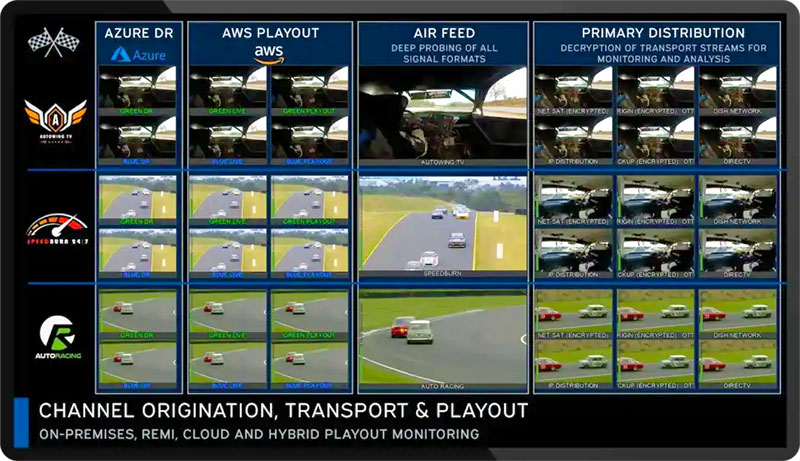
TAG’s software-based platform follows the signal wherever it goes, from a broadcast facility to a cloud environment, and delivers a consistent operational view across all of it. Not a roadmap feature. What customers are running today.
Hybrid is complex by nature. The question is whether your monitoring is as distributed as your workflow, or whether it cuts across it.
Why Operational Clarity Is Becoming as Critical as Uptime
The infrastructure layer in broadcast is becoming commoditized. What matters increasingly is what teams can see and whether the systems they’re running were built to work together or just happen to coexist.
TAG is taking observability seriously across the entire workflow. MXL matters because open transport is a long-term industry health issue. Lens matters because operational clarity is becoming as critical as uptime. And third party data integrations, that come built in in TAG's system, matter because teams need fewer gaps, not more tools.
Your engineers shouldn't be the last to know. tagvs.com