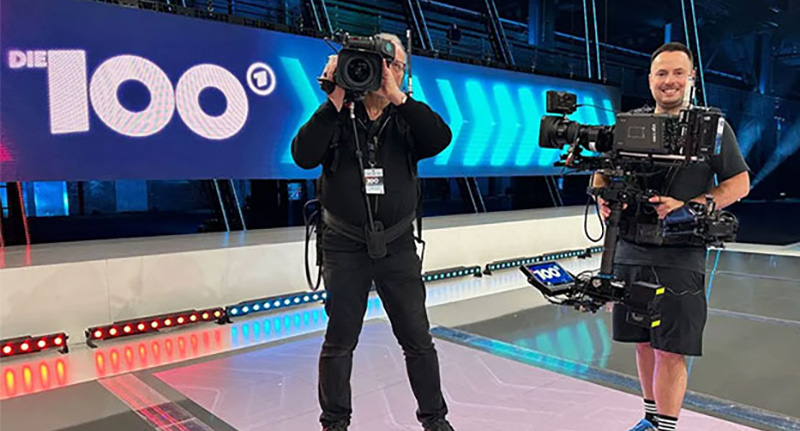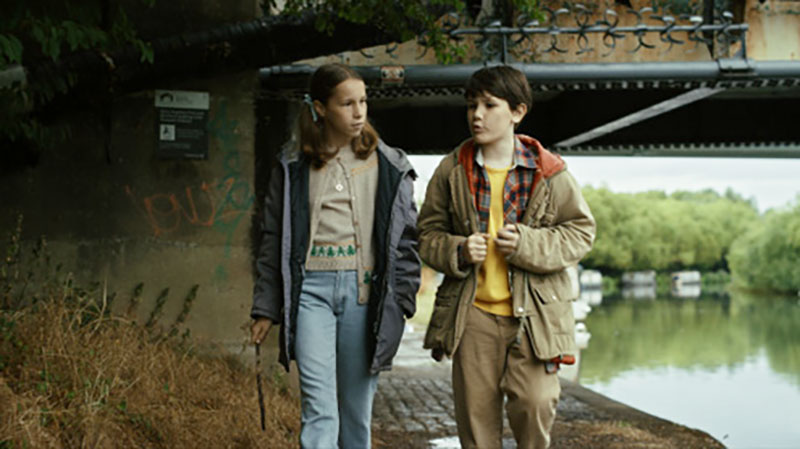



Studio Berlin expands their partnership with Grass Valley with the purchase of the new generation of Grass Valley cameras, adding cinematic capture to live production while maintaining their existing LDX workflows.
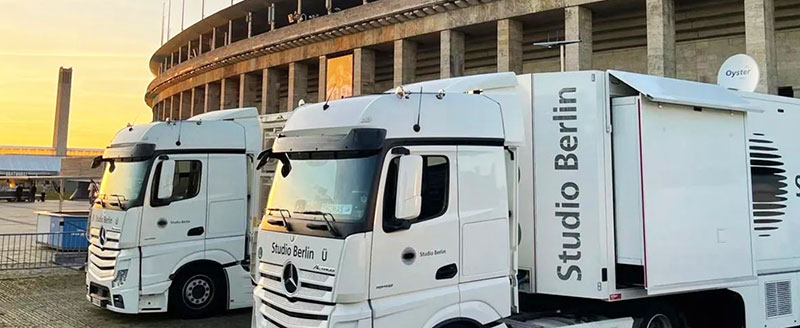
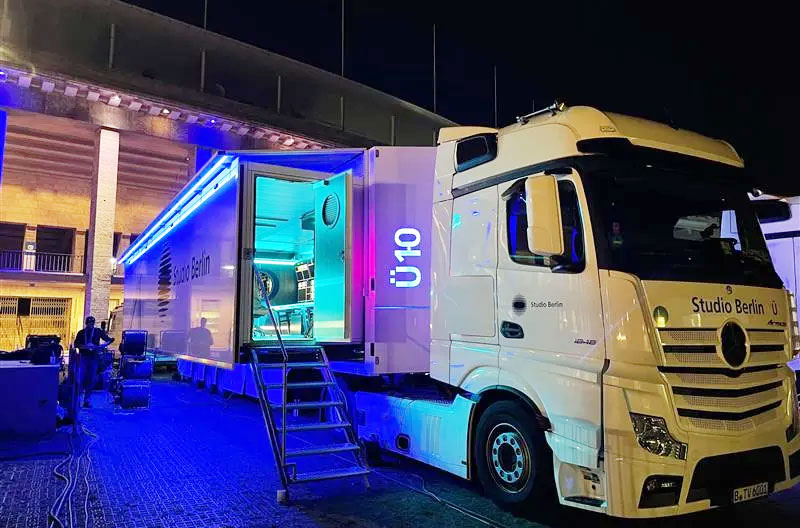
Based in Berlin-Adlershof, Studio Berlin is one of Germany’s primary television and media production service providers. From facilities in Hamburg and Berlin, the team delivers studio, OB and post-production services for broadcasters, streaming platforms and production companies, handling most types of projects at all scales. They also operate a fleet of OB vehicles and Flightcase-Units, and have creative and technical operators working outside of Germany for international projects.
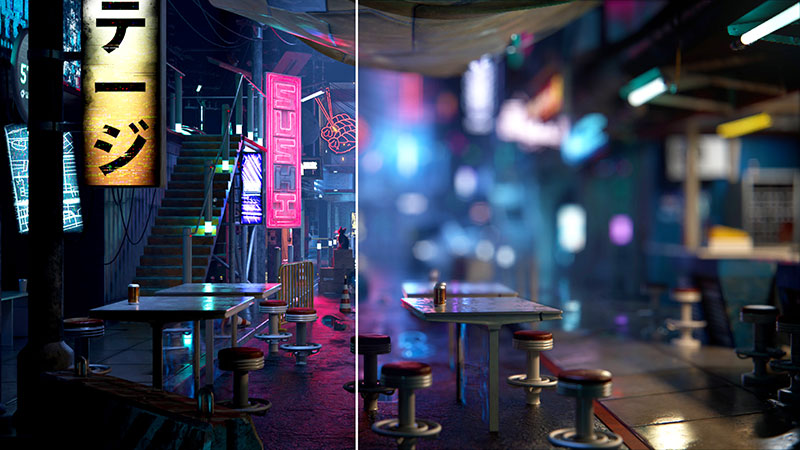
The company has worked with Grass Valley camera lines for decades and has become a long-standing customer. The team is now expanding the companies’ partnership by purchasing the new generation of Grass Valley camera systems. These acquisitions will add cinematic capture to their live production capabilities but maintain continuity with their established LDX workflows.
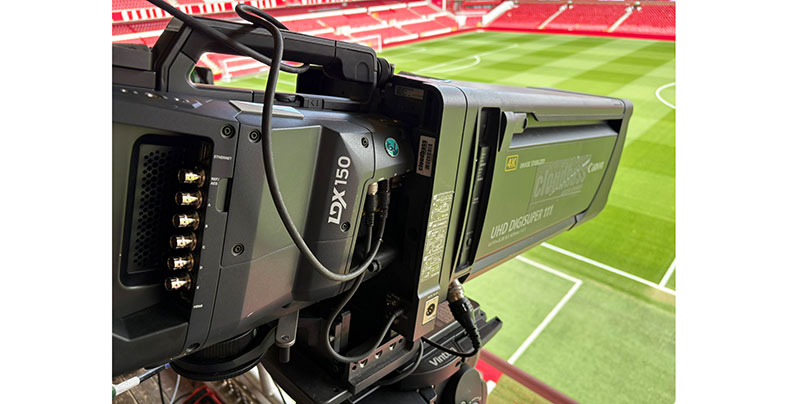
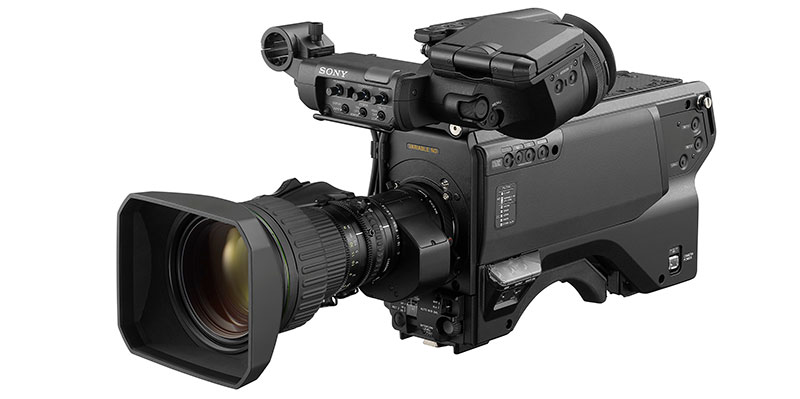
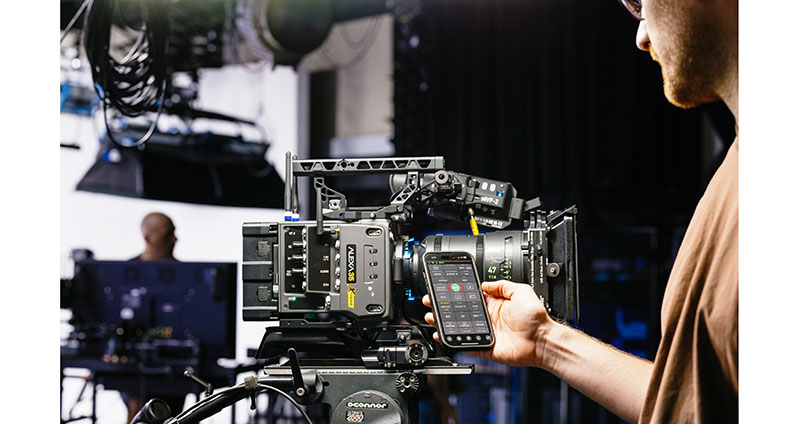
Their deployment includes 12 LDX 135 UHD/HDR camera systems along with 12 LDX 180 Super 35mm cinematic cameras, including two compact LDX C180 units. The systems were delivered to Studio Berlin at the end of March 2026 ready for integration into its current production setup.
From Broadcast to Cinematic Formats – and Back
The new systems allow production teams to move between broadcast and cinematic formats within the same environment. Cameras can be mixed on a single production, with shared XCU camera base stations. The LDX 100 Series supports varied transmission models, including SDI, IP, DirectIP, NativeIP as well as XCU-based workflows with cradle-based configurations, allowing the same camera platform to move between productions and infrastructures.
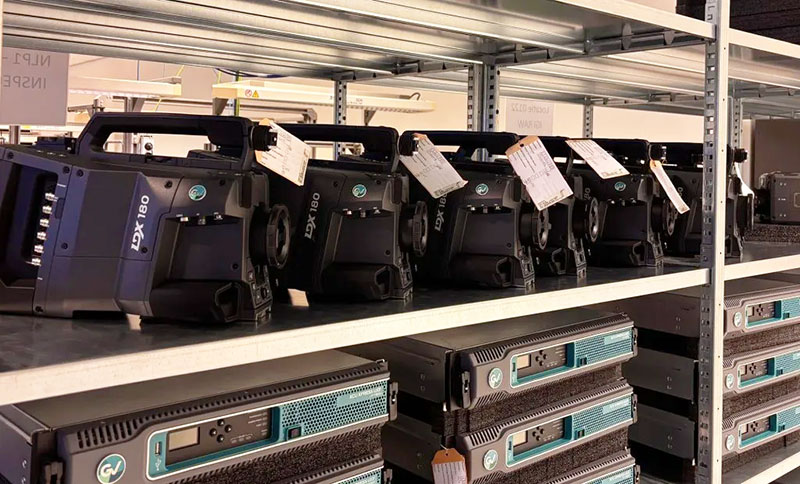
Cameras can be reconfigured on the fly, adapting to different operations without replacing hardware. The cradles are rack-mounted and the XCU is removable. All settings are stored in the cradle. To transfer camera systems between different productions or add cameras to a production, the XCU for the user’s camera is placed in the cradle where it is automatically configured with all settings from the cradle.
The base station transmission system was developed to support the large bandwidth the LDX cameras need, including high-speed and 4K-capable cameras. For instance, the XCU Xpress UXF hardware can support full SDI video up to 6X speed and 4K as standard – with two different cradles. The 12G SDI cradle supports baseband functionality up to 3G and has four further 12G SDI outputs available. The IP cradle also supports up to 3G, but with four 10G IP connectivity. When a production requires IP it can be activated with a license. No new equipment or additional IP cards are required.
The cameras can also share viewfinders, shading and accessories ensuring a consistent operating model for crews. “We wanted to extend our production capabilities with a new generation of cameras that support cinematic live workflows while staying aligned with our existing setup,” said Matthias Alexandru, CTO of Studio Berlin. “The combination of LDX 135 and LDX 180 systems gives us ultimate flexibility in upgrading to a cinematic live production environment without changing how our teams operate day to day."
Flexible Connectivity
“The connectivity flexibility of Grass Valley’s cameras to work in traditional XCU environments as well as our distributed studio campus camera network (DirectIP) or natively in SMPTE 2110 (NativeIP), and the ability to switch between these in a few seconds without any additional hardware, makes these cameras an essential part of our production environment,” Matthias said. The deployment also includes HPE-300 hybrid power supplies, supporting Layer 2 (data link) / Layer 3 (IP network layer) connectivity with SMPTE 2110, with optional JPEG XS support directly from the camera heads.
In a market where hybrid cinematic and broadcast production workflows are now in high demand, the ability to upgrade within a single ecosystem, using competitive technology was a key factor for Studio Berlin. “This investment supports how we plan to develop our production offering through enhanced cinematic storytelling,” Nick Zimmermann said, CEO of Studio Berlin. “It gives us the flexibility to take on a wider range of projects while building on a platform our teams already know and trust. That continuity is important for both efficiency and future growth.”
The project, delivered in collaboration with Grass Valley channel partner Logic Media Solutions GmbH, is another step in Studio Berlin’s ongoing investment in Grass Valley camera technology as an upgrade path across generations of live production systems.
www.grassvalley.com